PakVitae, now EveryWater
Co-founder and Chief Technology Officer · August 2016 to August 2021 · Pakistan and Singapore
I co-founded PakVitae, now EveryWater, after seeing what unsafe drinking water meant in daily life, first in my own experience and later while volunteering in an Afghan refugee settlement outside Islamabad. I led membrane research, product development, patent work, manufacturing setup and early field implementation. We were trying to make filtration practical where electricity, replacement cartridges and specialist maintenance could not be assumed.
Why I started the work
In 2014, while studying engineering, I volunteered as a teacher in an Afghan refugee settlement outside Islamabad. Children regularly missed class because they were ill, and families depended on visibly unsafe water from a shared hand pump.
During an exchange semester at Florida State University in 2016, I began working on low-pressure hollow-fiber filtration. I brought the prototype back to Lahore and started PakVitae with Shayan Sohail and Arslan Ahmed.
The design constraints came from the setting: no pump, no electricity, and no consumable that a family would need to keep buying. Gravity had to provide the pressure, and users had to be able to clean the filter themselves.
What I worked on
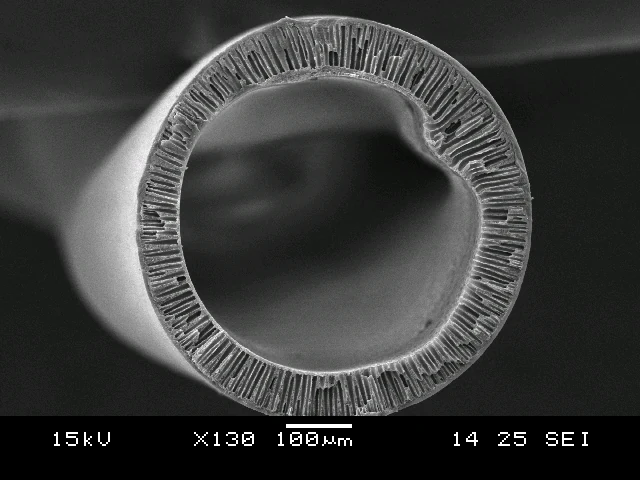
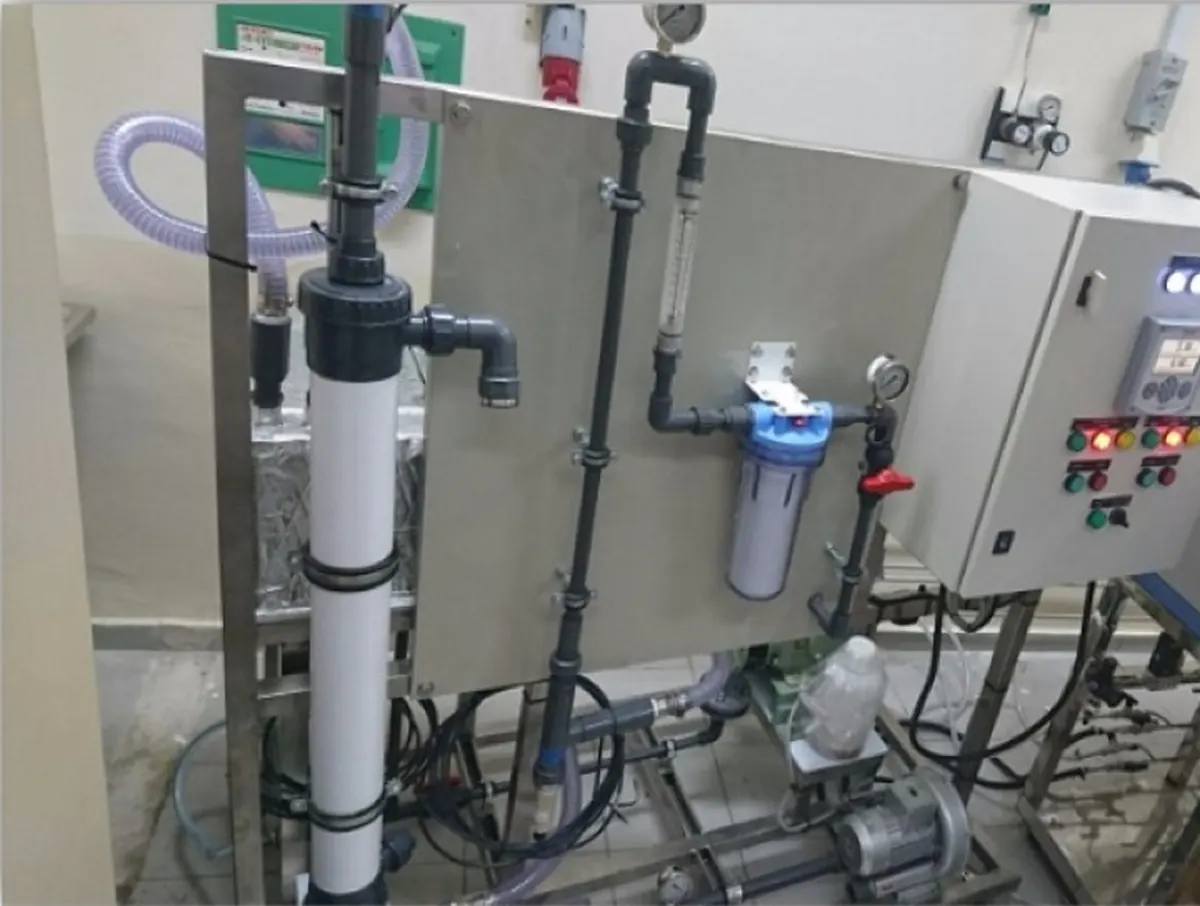
A hollow fiber is a polymer tube about the width of a hair. Feed water sits outside the fiber, passes through the membrane wall, and exits through the center. Material retained on the outside can be removed by backwashing.
We began with a 100-nanometre ultrafiltration grade for household use and expanded the research into a tighter 16-nanometre grade and a series of nanofiltration and reverse-osmosis grades. The membrane had to be matched to the source water and the delivery setting. A gravity-fed household unit and a pumped system for dissolved contaminants are different products, even when their fibers come from the same development platform.
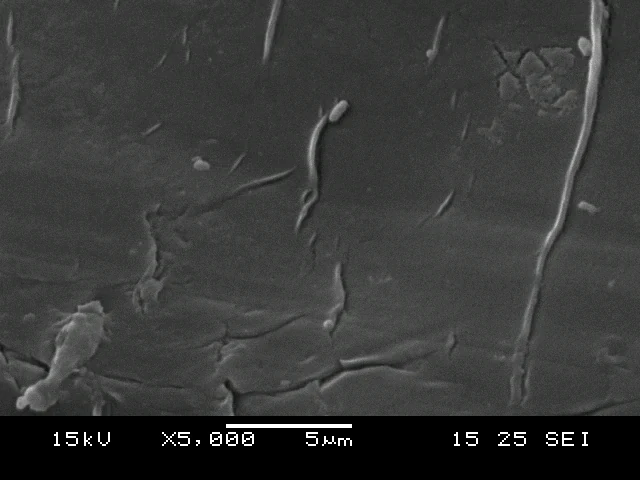
My work covered polymer and bore formulations, fiber spinning, potting, module design, microscopy, molecular-weight-cutoff and flux testing, product integration, and early field use. We built these capabilities first in Lahore, across the 100 nm and 16 nm ultrafiltration grades and into nanofiltration and reverse-osmosis development, and in 2019 I led the expansion of membrane research and development into a Singapore laboratory, setting up the experimental program and the equipment it needed.
Size ranges are textbook values. Nominal pore size and molecular weight cut-off (MWCO) describe how a grade is selected. What a finished device removes comes from testing that device.
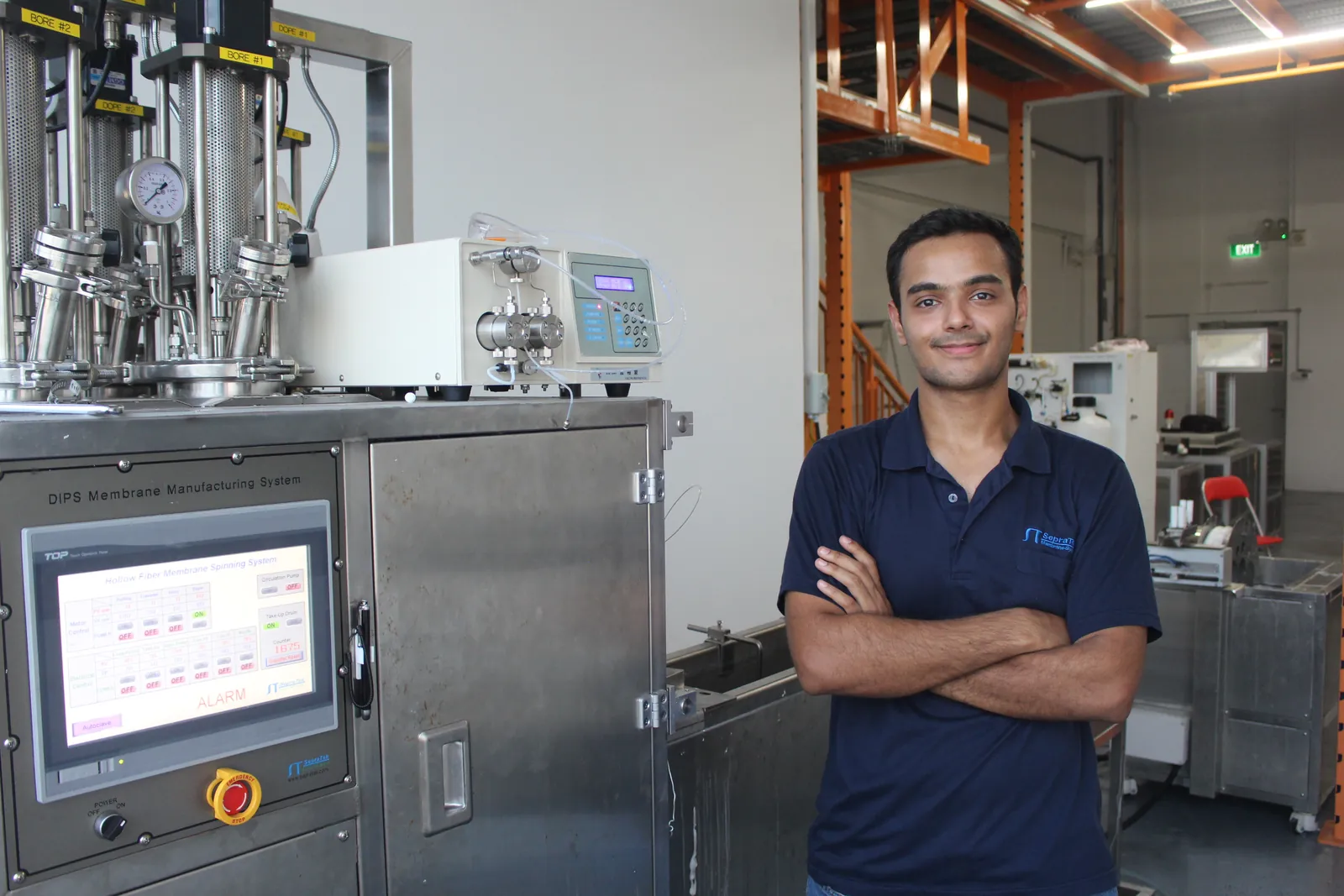
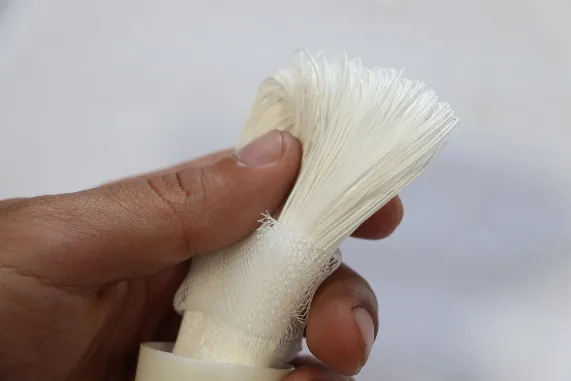
From an idea to a working platform
Seeing the problem up close
Volunteered as a teacher in an Afghan refugee settlement near Islamabad, where illness and unsafe water affected school attendance and household life.
Building the prototype
Worked on low-pressure hollow-fiber filtration during a Global UGRAD exchange semester at Florida State University, then returned to Lahore with the prototype.
Forming PakVitae and returning to the settlement
PakVitae was incorporated in Lahore. Support from the Young Water Fellowship and the Hansen Summer Institute helped the team develop the household unit, and a Young Water Solutions-supported project brought filters to the settlement where I had volunteered.
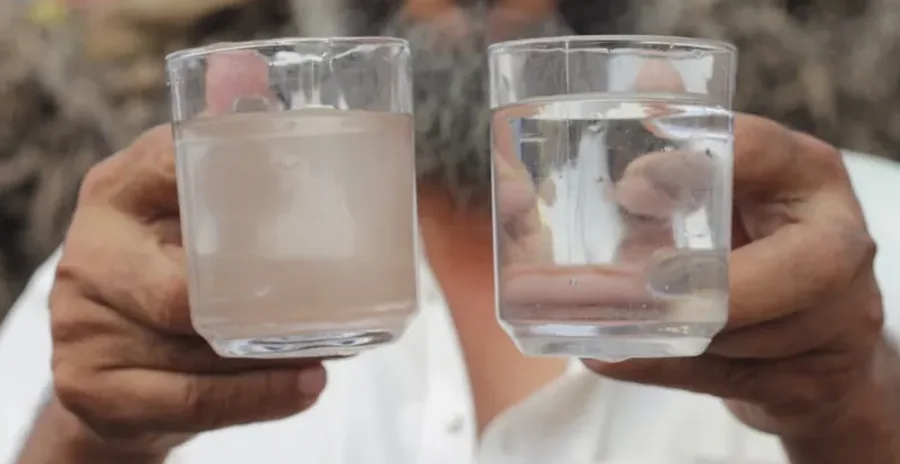
Learning from users
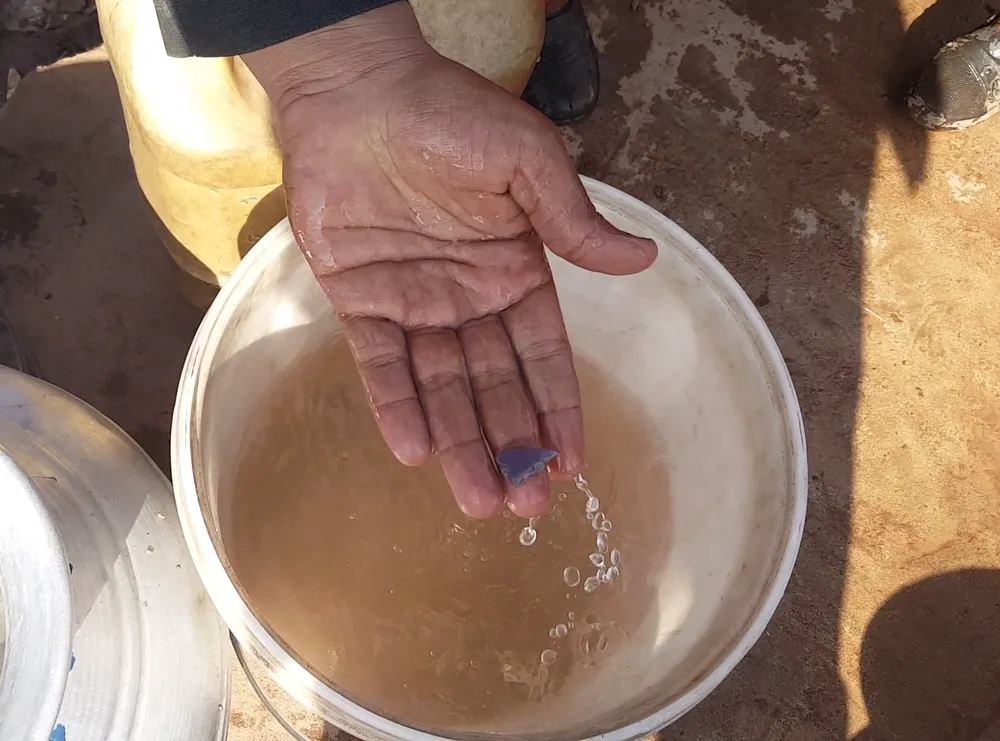
During demonstrations in settlements outside Lahore, residents tried the system themselves. Those sessions helped shape the bucket-and-syringe setup and the backwashing routine. The team won the Hult Prize regional final in Dubai, presented at the global final round, and supplied filters through flood-relief work in Kerala.
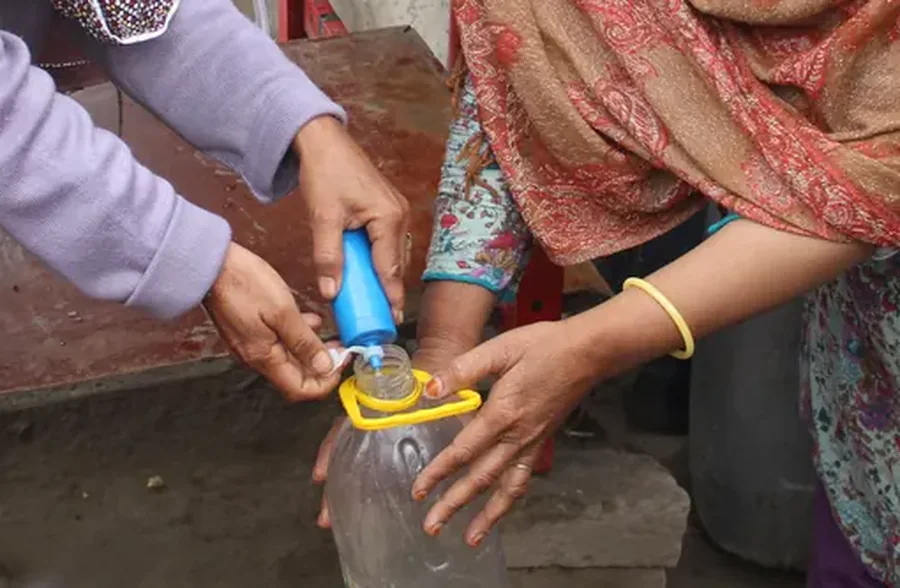
Expanding the research and delivery network
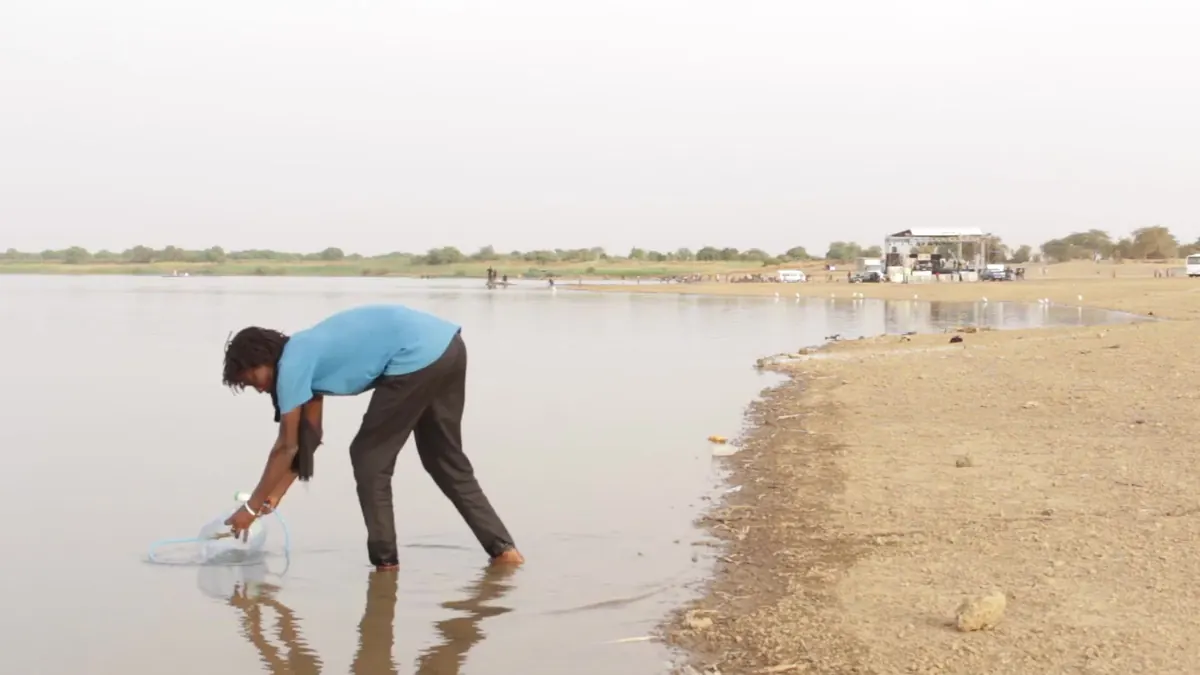
The team added fiber-spinning, potting and permeation-testing capacity in Singapore alongside work in Lahore. We developed and tested tighter membrane grades, and partner organizations deployed the household filter in Senegal. PakVitae became EveryWater in 2020.
Partner deployment in Senegal
Partner organizations ran the household filter against local source water during a deployment in Senegal.
Moving into drinking-water research
I moved to the United States for graduate research and stepped back from day-to-day company operations while remaining a co-founder. The first US patent was granted. The One Young World Impact Report also assessed a separate PakVitae program serving 15,000 people from 2017 through 2021.
Flood response
During Pakistan’s floods, gravity-fed units were distributed through partner organizations across affected areas. Business Recorder reported 15,000 units distributed across Sindh, Khyber Pakhtunkhwa, Balochistan and Punjab. A second US patent was granted that year.
Continuing product development
A European patent was granted in 2023. The household product was reworked as EveryClean with English and Urdu operating guidance, while the company continued developing household, dispenser and tighter-grade membrane formats. My executive role ended in August 2021; the company’s later operating work is not mine to claim.
Representative product formats
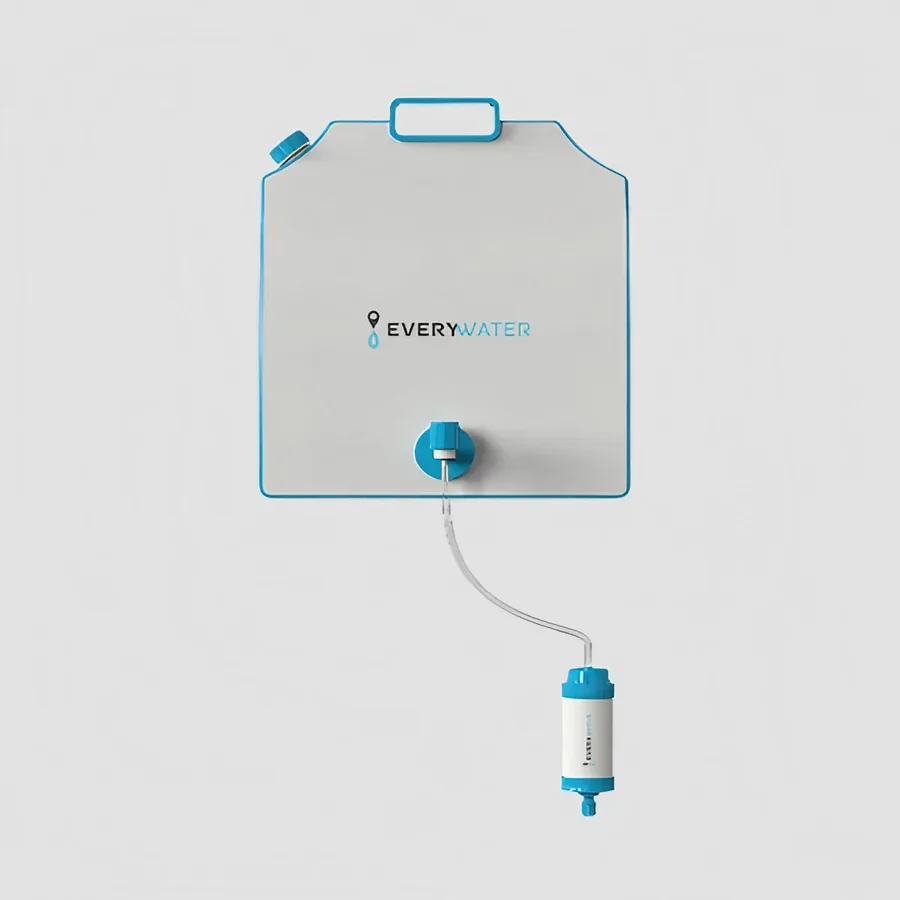
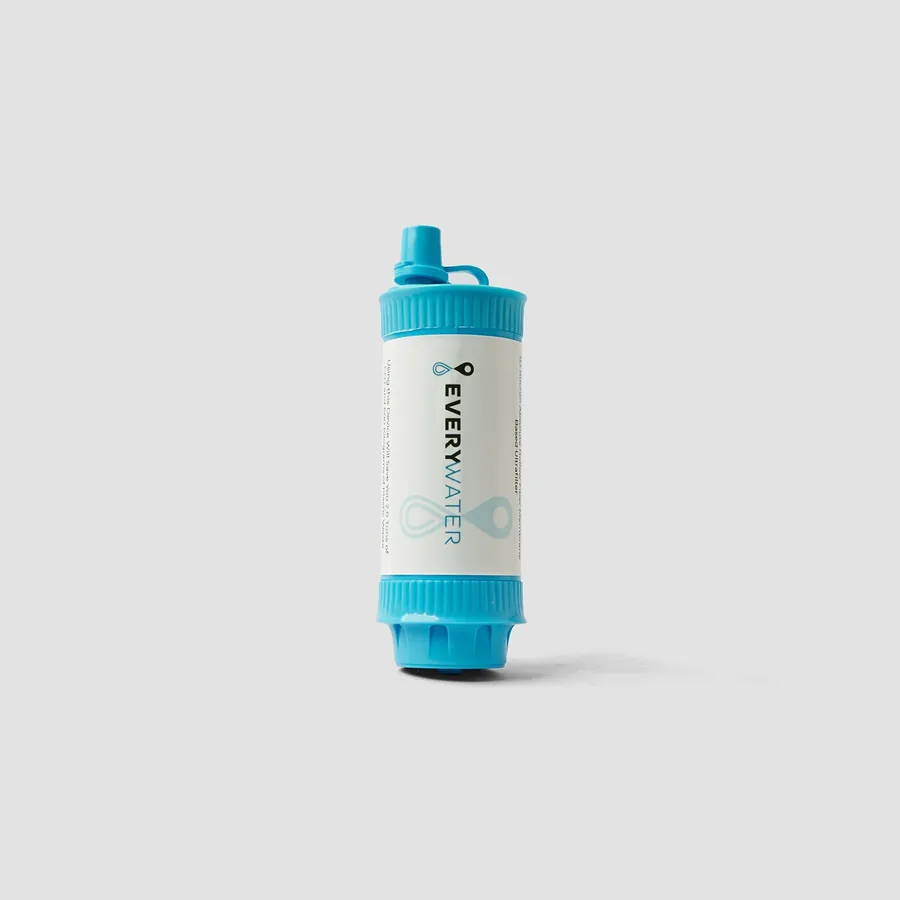 Current productEveryClean tap kitNominal 100 nm ultrafiltrationConnects to a cold-water tap. Current product documentation describes an approximate finished-product flow of one liter per minute, operation without electricity, syringe backwashing and a rated life of 10,000 liters. Actual service intervals depend on household demand and source-water loading.ConfigurationEveryClean gravity setupNominal 100 nm ultrafiltrationDesigned for homes or relief settings without a pressurised tap. A raised bag or covered reservoir provides the hydraulic head needed for filtration.
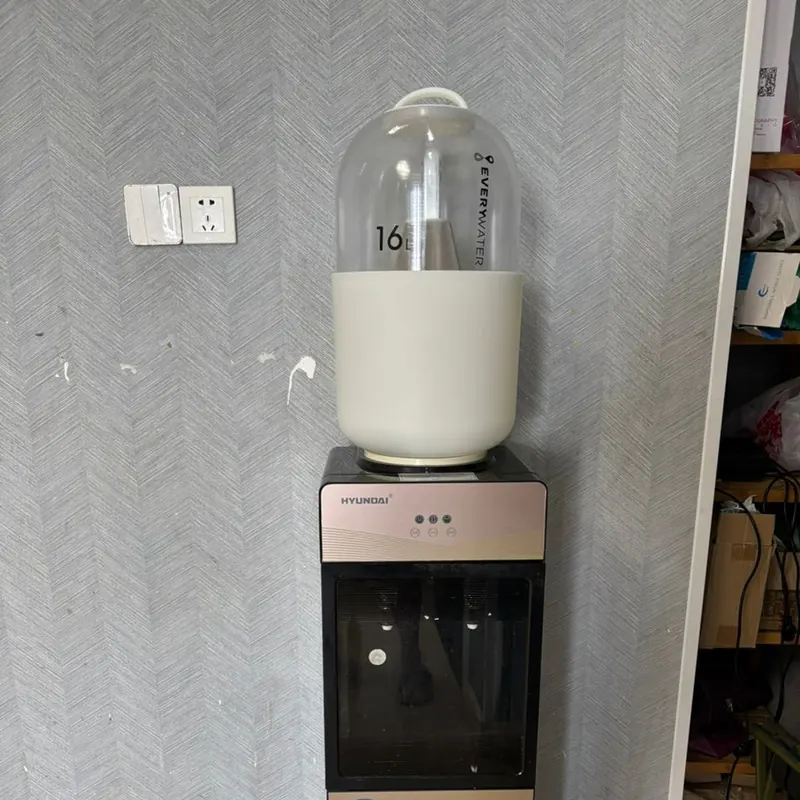 Developed prototypeVitalis dispenserNominal 16 nm ultrafiltrationA 16-liter top-load dispenser format developed around the tighter ultrafiltration grade and physically fitted to a standard water dispenser. A numerical pathogen-removal claim would require grade- and device-specific challenge testing.
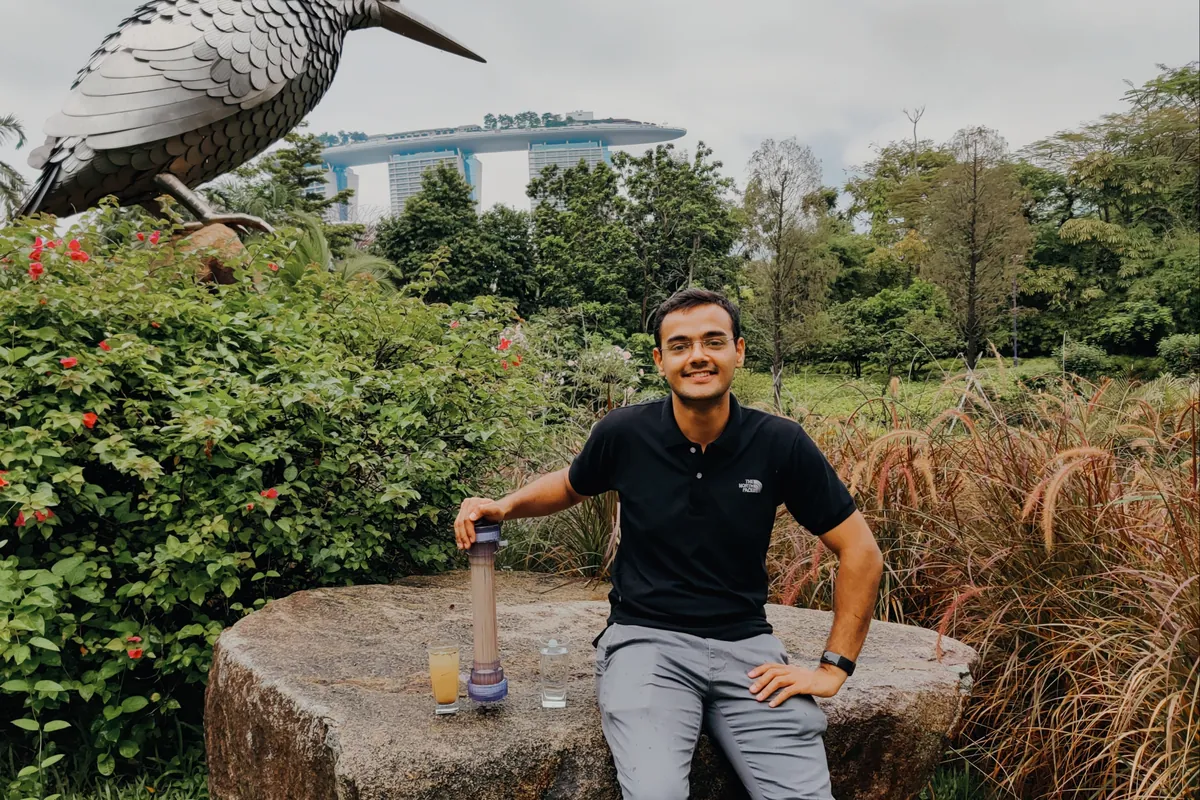 Platform capabilityNanofiltration gradesSource-specific system design requiredThe EWNF family moved from looser to tighter molecular-weight cutoffs for selected organic molecules, hardness and other dissolved-contaminant duties. Grade, pretreatment, pressure, recovery, cleaning, concentrate management, energy and cost all depend on the source-water chemistry and the product-water target.
What field use changed
The laboratory could tell us about flux, pore structure and rejection. Field use showed whether the product could be installed, cleaned and kept in service.
During the Lahore demonstrations, people did not simply receive a finished object. They handled it, questioned the steps, and showed us where the routine was unclear. That experience helped shape the gravity setup and the syringe backwash.
It also changed how I thought about evidence. A unit shipped, a unit installed and a unit still being used correctly are three different results. Price, maintenance, compatible spare parts, training and local support often determine whether membrane performance becomes reliable water access.
Financing and investment decisions
Building a water company required decisions about more than the membrane. Across this period, EveryWater raised more than $8 million in equity, bank, and grant financing. I supported these raises by preparing proposals and translating membrane research, tooling, manufacturing, quality testing, field delivery, and measurement requirements into budgets and technical milestones.
Fundraising was the beginning of the work, not the end. We had to decide which technical or delivery constraint the next unit of capital should remove, monitor whether the spending produced the expected milestone, and revise priorities when production or field evidence changed.
Early support came as international seed grants from Belgium, France, the United Kingdom, the United States and the United Arab Emirates, and that is what moved the technology from prototype into manufacturing and field delivery.
I worked across technical, finance, manufacturing and implementation teams so that funding decisions stayed connected to operating needs.
Writing the manual as part of the intervention
A filter is not the whole intervention. What a household actually receives is a device plus a set of instructions about how to install it, how to keep it working and when to stop using it. I converted installation, safe-use, and maintenance requirements into versioned English and Urdu guidance covering first-use flushing, safe collection, scheduled backwashing, troubleshooting, stop-use conditions, and service records. The manual made correct use and maintenance part of the delivery model rather than an afterthought.
Writing that guidance forced a discipline the laboratory does not. Every known failure mode had to become a step someone could follow without supervision, in a second language, with no technician nearby. The limits had to be stated as plainly as the capabilities: an ultrafiltration membrane at this pore size is a barrier to bacteria and protozoa, and it is not a treatment for dissolved chemicals such as arsenic, fluoride, nitrate or salinity.
Our membrane-development record was always stronger than our record of continued use at the point of consumption. We knew what the fiber could reject. We knew much less about whether a household was still drinking filtered water eighteen months later. That gap shaped how I think about evidence now: product, service and measurement are one intervention, not three, and the plan has to say in advance what result would lead to a scale, a redesign or a stop.
Evidence and operating artifacts
These are internal working documents from the funding and delivery record. Neutral public versions are being prepared; none is published here yet.
Watch the work
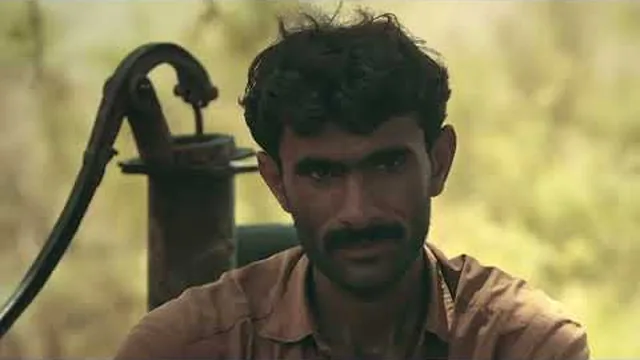 PakVitae: A ray of light for those in dark!Feature film · 5:51 · EveryWater · 2022 flood response
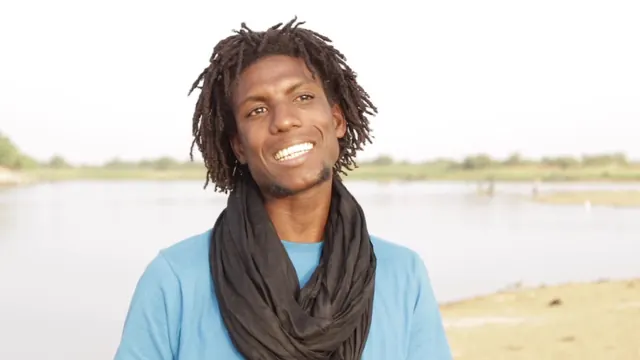 Festival à Sahel Ouvert 2020Partner footage · 1:02 · Senegal · 2020
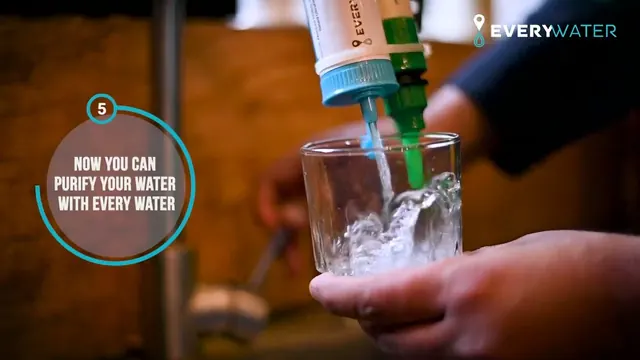 EveryClean: setup and useProduct demonstration · 0:52 · EveryWater · 2024
The public upload of the third video retains the earlier product name “EveryClear”; current product materials use “EveryClean”.
The record
What the work taught me
This experience taught me to treat technical efficacy, delivery, continued use and health outcomes as separate questions. It also taught me to ask what evidence would change a product, operating or funding decision.
A low bill of materials is not enough on its own. Manufacturing yield, defects, freight, distributor margin, maintenance and local support all affect what reaches a household and stays in use. That is the part of innovation work I now carry into research and program assessment.